Sandy and muddy coastal bays.
Sandy seabeds and muddy coastal bays, including water near port structures where fishing is permitted.
Your guide checks the conditions and picks a permitted spot.
The catch field guide · No. 12
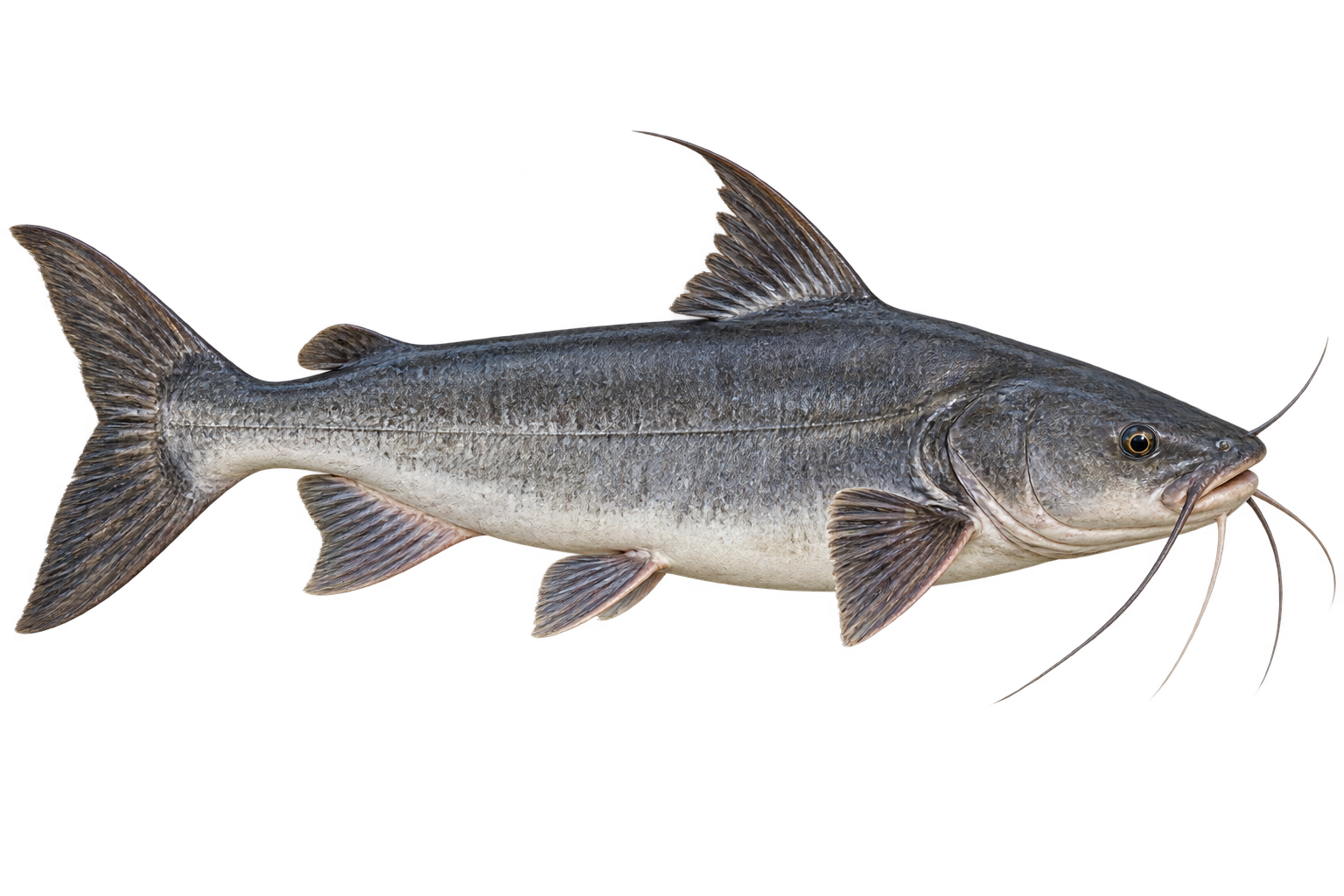
Illustrated example: Netuma thalassina
Those whiskers help it find food on the seabed.
Several sea catfish live in the Gulf. The giant sea catfish shown here is one example. The weights below describe the crew’s catfish catches as a group, not this species alone.
Look for
The local picture
Sandy seabeds and muddy coastal bays, including water near port structures where fishing is permitted.
Your guide checks the conditions and picks a permitted spot.
These are the weights our crew usually sees.
All year. Your chances change with the weather and where you fish.
Fishing methods
Fish a squid or shrimp bait near the bottom. Leave the sharp fin spines and unhooking to your guide.
Same fish, different names
Sea catfish; giant sea catfish; giant salmon catfish. Catfish is a group name, so ask your guide to identify the fish.
Species reference ↗From sea to supper
Ask your guide to identify the fish and advise whether it can be kept. Leave unhooking to the crew because the fin spines can cause injury.
The crew will advise what can be kept on the day.
For identification and habitat, see Species reference. Local catch likelihood, weights, seasonality, habitat and methods: catch’s fish information guide. What you catch still depends on the day. You may hear other local names too.